
We live in a sick society. We’re chronically overstimulated due to the modern lifestyle. We rush all day long, racing from one task to the next, always thinking we don’t have enough time. If you ask anyone how they’re doing, chances are they’ll say, “I’m busy.” We multitask constantly. We drive while listening to podcasts. We scroll social media in the bathroom. We watch shows while cooking dinner. We listen to the news while brushing our teeth, and on and on we go.
We are busy. We are rushed. We are exhausted.
Where’s God?
If I asked you, “When in your day do you connect with God?” how would you answer me? Would you tell me that you pray before you eat? Sadly, many have dispensed with this due to a lack of time. Would you say you listen to Christian music while you drive or while you exercise or while you clean?
Is your time with God limited to reading the verse of the day in your Bible app or just liking a friend’s Scripture post?
Seriously, think about it.
When do you actually and truly connect with God each day? Connecting with God is not quantifiable like the distance you run, how many times you can lift a weight, or what your sleep score was last night. No, connecting with God is not about measurable productivity at all. It’s about relationship.
The only way to develop a relationship with someone—anyone—is to spend time together. If you can carve out fifteen minutes of unadulterated, undistracted, quality time with God each day, it will change your life!
I recommend taking a daily prayer time with God in the morning. This might not work for everyone, but the earlier in the day you schedule an activity, the less likely it is to be bumped by other more pressing tasks.
I recommend you silence your phone and then put it out of sight. Disconnect fully from notifications and the ever-present desire to check this or that. Breathe. Sit quietly. Give God your undivided focus.
I also set a timer on my watch, so I know when to wrap things up. You may not need to, depending on how much time you have available.
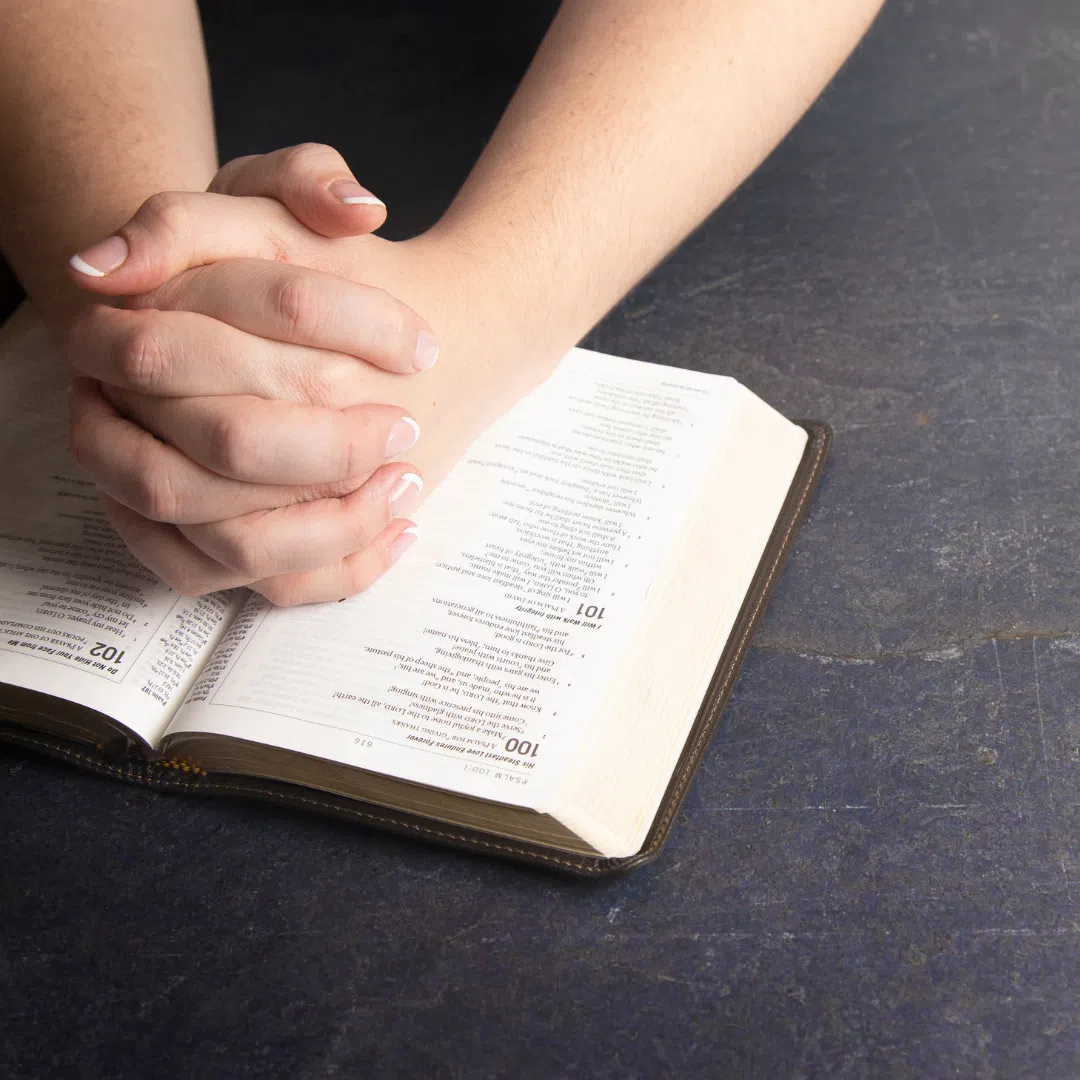
When you go to pray, here are six easy steps you can go through each day.
1. Adoration
It’s good to begin prayer by reminding yourself of whom you’re talking to. God is not an old man in the sky, a stuffed animal, or a vending machine. He’s the creator and sustainer, the liberator and redeemer, the healer and restorer. Take some time at the beginning of each prayer and praise God for who He is and what He’s done. Don’t thank Him for anything, that comes later. Just use your words to lift Him up for His mighty works. The better you know the Bible, the easier this will be for you. Take a minute and tell God why He’s great. Here are some Scriptures to help you praise God: Exodus 34:6-7; Deuteronomy 10:17-18; Joshua 22:22; 2 Samuel 22:2-51; 1 Chronicles 29:10-13; Nehemiah 9:5-37; Job 11:7-11; 36:26-37:24; Psalm 29; 47; 89; 93; 98; 99; Isaiah 25; 40:10-31; Daniel 4:34-37; Nahum 1:2-8; Jude 24-25; and Revelation 4.
2. Confession
Every day it is worthwhile to ask the question, “How did I mess up yesterday?” This is not to wallow in guilt or self-pity, but to get honest and clean before a holy God. Look, He already knows any sins you may have committed. Do you? Take a moment after adoration and just review your previous day and admit to God where you’ve fallen short. Ask Him for forgiveness and cleansing. Pray for His help in doing better today in these specific areas. Writes Dick Eastman, “[T]here can be no effective prayer life where sin maintains it’s grip on the believer. This is why confession is critical to our praying and should be implemented early in prayer.”1 Getting right with God is essential before moving on to ask Him for anything. Here are some biblical examples of confession to help you: Psalm 32:1-6; 51; 66:18; 132; 139:23-24; Isaiah 1:4-20; 59:2; Daniel 9:20; 1 John 1:8-9.
3. Thanksgiving
Gratitude is probably one of the most overlooked daily practices. We all know we should be grateful, but we don’t take the time to sit quietly and actually go through what we’re thankful for. James writes, “Every good thing given and every perfect gift is from above, coming down from the father of lights with whom there is no variation or shadow of changing” (1:17). Are you breathing? Thank God. Do you have food? Thank God. Do you have shelter, friends, family, or a job? Thank Him. Whereas adoration focuses on who God is and what He’s done in general, thanksgiving is concerned with what He has done specifically for you. Some verses that show what thanksgiving prayer looks like include: Psalm 119:62; 139:14; Isaiah 12:1; John 11:41; Ephesians 5:20; and 1 Thessalonians 5:18.
4. Intercession
Now you are ready to pray for others. To intercede is to go between someone and God. Do you know people who need healing, improved finances, or relational peace? Pray for them. Pray for those you live with whether that’s a roommate, a spouse, children, or extended family. Most of us know too many people to pray for everyone every day. Take a moment and ask for God to bring to your mind those He would like you to pray for today. Sometimes I find myself praying for people I lost touch with decades ago. Here are some scripture examples of intercession you can read: Exodus 32:10-14; Psalm 106:23; Ezekiel 22:30; Ephesians 1:17-23; 3:14-21; Philippians 1:9-11; Colossians 1:9-12; 1 Thessalonians 5:25; and Hebrews 13:18.
5. Petition
When the disciples asked Jesus to teach them to pray, he gave them a prayer that included asking God to give them their daily bread, forgive them of their debts, and rescue them from evil (Mat 6:11-13). Don’t be so religious that you don’t pray for yourself. “You have not because you ask not” (James 4:2b). You are not imposing on God by asking Him for blessings in your life so long as they are not sinful. God is a generous father who delights to answer His children’s requests. Be specific. Get clear on what you are asking for and don’t be shy to ask for the same thing over and over. (Jesus told a story about that in Luke 18:1-8). Biblical examples of petition: Genesis 32:9-12; 1 Kings 17:21; Nehemiah 1:11; Psalm 6:4; 86:1-7; Acts 4:29-30; Romans 15:30-33; and Colossians 4:3-4.
6. Silence
You may be thinking that silence is a waste of time. On the contrary, taking a solid minute or more of silence is a great way to hear from God. You’ve just done a lot of talking; now it is time to listen. Quiet your mind and let God direct your thoughts. He may give you an answer you’ve been seeking or impress upon you something you should do. If you don’t get any insight or special revelation, that’s totally fine. The main point of taking a minute (or five) in silence is to simply spend time with God. Enjoy His presence. Tell Him you love Him. Just be together. As you practice silence day in and day out, you’ll be able to increase the duration. Scriptures about waiting in silence are Psalm 19:14; 62:1-2, 5-7; 143:5-6; 145:5; Lamentations 3:25-26; Isaiah 30:15; and Habakkuk 2:20.
Will you try this method? Will you set aside just fifteen minutes a day without distractions to connect to God? Do it each day and you’ll build a habit in no time. You will start living with God rather than apart from Him. By spending intentional time daily, you’ll find yourself changing. Your anxiety and stress will likely go down. Your confidence in Him will go up. Over time, you may even need to extend your time to thirty minutes, then an hour as you expand your ability to spend quality time with your heavenly father.
Which of these is most challenging for you: adoration, confession, thanksgiving, intercession, petition, or silence? Why?
- Dick Eastman, The Hour That Changes the World (Minneapolis, MN: Chosen Books, 2002), 44.[↩]





















I will pray all Six. Thank you for this.